Scienceable.net
Subscribe
  • Space
    • Black Holes & Dark Matter
    • Cosmology & Astrophysics
    • Exoplanets & Alien Life
    • Planets & Moons
    • Space Exploration
    • Space Technology
  • Health
    • Anti-Aging & Longevity
    • Biotechnology & Genetics
    • Diseases & Treatments
    • Medical Research & Breakthroughs
    • Mental Health & Neuroscience
    • Nutrition & Public Health
  • Physics
    • Artificial Intelligence & Robotics
    • Energy & Renewable Technology
    • Materials Science
    • Nanotechnology
    • Quantum Physics
    • Theoretical Physics
  • Earth
    • Climate Change & Global Warming
    • Environmental Technology
    • Geology & Natural Disasters
    • Ocean Science
    • Sustainability & Conservation
    • Weather & Atmosphere
  • Biology
    • Biodiversity & Conservation
    • Evolutionary Biology
    • Genetics & DNA Research
    • Microbiology & Viruses
    • Plants & Ecosystems
    • Zoology & Animal Behavior
  • Technology
    • Artificial Intelligence & Machine Learning
    • Blockchain & Cryptography
    • Cybersecurity & Data Science
    • Medical Technology
    • Quantum Computing
    • Space Tech & Aerospace
  • Psychology
    • Brain Research & Cognitive Science
    • Consciousness & Mindfulness
    • Human Behavior & Emotions
    • Memory & Learning
    • Mental Health & Therapy Innovations
    • Sleep Science
  • View more
    • Chemistry & Materials Science
    • Archaeology & Paleontology
    • Future Science & Speculative Research
    • Science Policy & Ethics
No Result
View All Result
Scienceable.net
  • Space
    • Black Holes & Dark Matter
    • Cosmology & Astrophysics
    • Exoplanets & Alien Life
    • Planets & Moons
    • Space Exploration
    • Space Technology
  • Health
    • Anti-Aging & Longevity
    • Biotechnology & Genetics
    • Diseases & Treatments
    • Medical Research & Breakthroughs
    • Mental Health & Neuroscience
    • Nutrition & Public Health
  • Physics
    • Artificial Intelligence & Robotics
    • Energy & Renewable Technology
    • Materials Science
    • Nanotechnology
    • Quantum Physics
    • Theoretical Physics
  • Earth
    • Climate Change & Global Warming
    • Environmental Technology
    • Geology & Natural Disasters
    • Ocean Science
    • Sustainability & Conservation
    • Weather & Atmosphere
  • Biology
    • Biodiversity & Conservation
    • Evolutionary Biology
    • Genetics & DNA Research
    • Microbiology & Viruses
    • Plants & Ecosystems
    • Zoology & Animal Behavior
  • Technology
    • Artificial Intelligence & Machine Learning
    • Blockchain & Cryptography
    • Cybersecurity & Data Science
    • Medical Technology
    • Quantum Computing
    • Space Tech & Aerospace
  • Psychology
    • Brain Research & Cognitive Science
    • Consciousness & Mindfulness
    • Human Behavior & Emotions
    • Memory & Learning
    • Mental Health & Therapy Innovations
    • Sleep Science
  • View more
    • Chemistry & Materials Science
    • Archaeology & Paleontology
    • Future Science & Speculative Research
    • Science Policy & Ethics
No Result
View All Result
Scienceable.net
No Result
View All Result
Home Health & Medicine Diseases & Treatments

Early Intervention with Donanemab Cuts Alzheimer’s Progression Risk by 27% – Breakthrough Study Reveals

by scienceable
February 22, 2026
in Diseases & Treatments, Health & Medicine
0
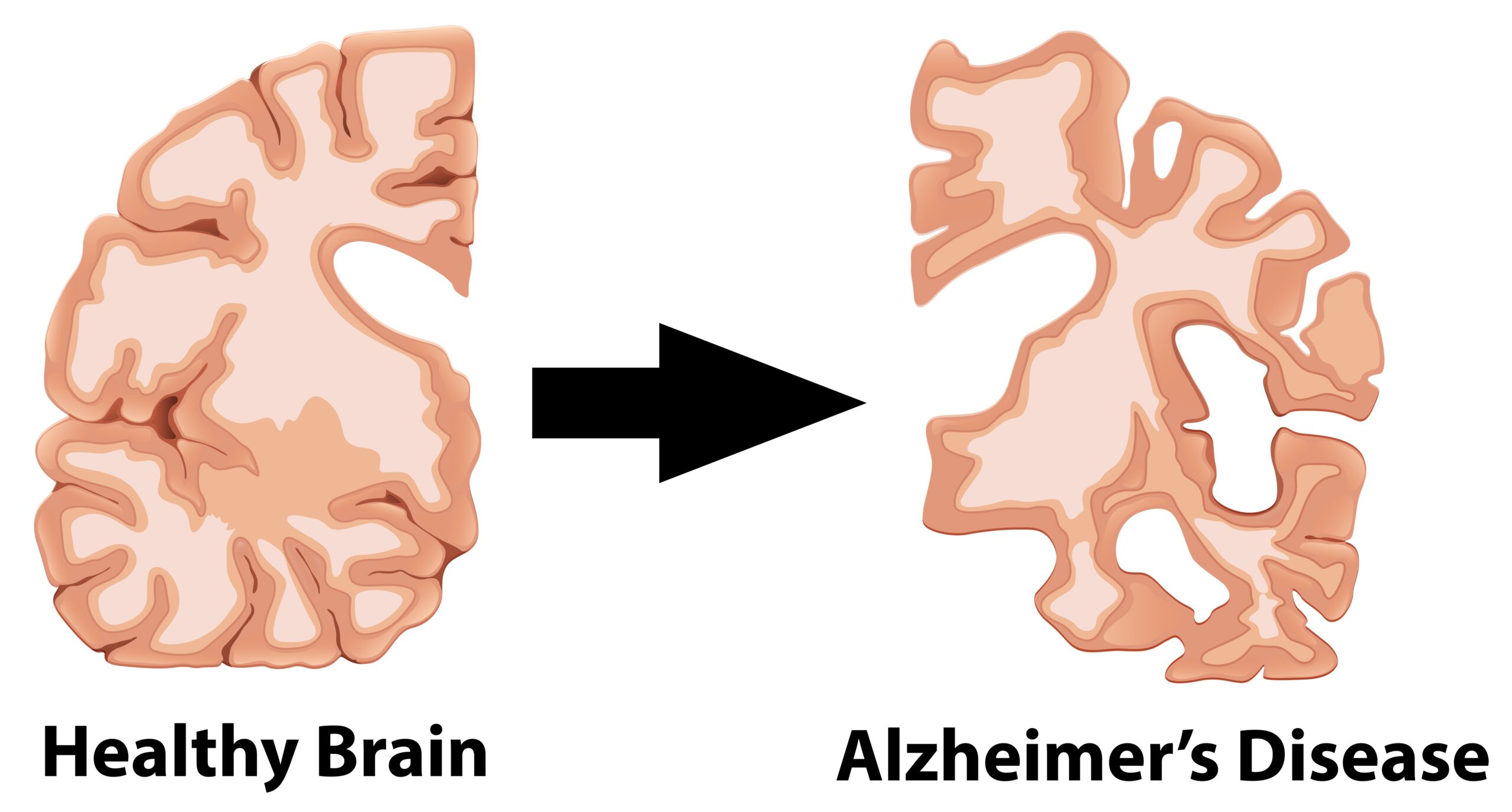
Alzheimer’ Anatomy

Early Intervention with Donanemab CEarly Intervention with Donanemab Cuts Alzheimer’s Progression Risk by 27% - Breakthrough Study Reveals Anatomy uts Alzheimer’s Progression Risk by 27% - Breakthrough Study Reveals Anatomy of Brain illustration

Share on FacebookShare on Twitter
Groundbreaking results from the TRAILBLAZER-ALZ 2 trial show that donanemab doesn’t just mask symptoms—it fundamentally changes the disease’s trajectory, saving patients months of precious time and independence.

For decades, an Alzheimer’s diagnosis felt like a one-way street toward cognitive decline. However, a landmark study recently published in The Journal of Prevention of Alzheimer’s Disease (2026) suggests we are entering a new era of “disease modification” where we can actually slow the clock.

The study followed participants for three years, comparing those who started the drug donanemab immediately (Early-Start) versus those who waited 18 months (Delayed-Start). The results are a wake-up call for the medical community: timing is everything.

The most striking finding was that participants who started donanemab early had a 27% lower risk of progressing to the next clinical stage of the disease compared to those who started later.

In the world of Alzheimer’s, “stages” aren’t just numbers—they represent the difference between being able to manage your own finances and needing 24/7 care. By the end of the 3-year observation:

  • Early treatment saved 6.9 months of clinical decline compared to an untreated group.

  • Even late-start treatment saved 5.6 months, proving it is never too late to see benefits, though earlier is significantly better.

Unlike many medications for chronic conditions that require a lifetime of pills or injections, donanemab utilizes a unique limited-duration dosing strategy.

  • Treatment Course Completion: Patients received intravenous infusions only until PET scans showed their brain amyloid plaques were cleared (less than 24.1 Centiloids).

  • Sustained Benefit: Amazingly, even after patients stopped taking the drug, the clinical benefits continued to grow for the remainder of the three-year study.

  • Slow Return: Once cleared, the toxic plaques returned at a “median reaccumulation rate” of only 2.4 Centiloids per year, which is similar to the natural rate of aging.

Any powerful medicine comes with risks. With donanemab, the primary concern is ARIA (Amyloid-Related Imaging Abnormalities), which includes brain swelling (ARIA-E) or micro-bleeds (ARIA-H).

The long-term data provides some reassurance:

  • No New Signals: No new or unexpected safety issues appeared during the three-year study.

  • Front-Loaded Risk: Most ARIA events happened within the first 24 weeks of starting treatment.

  • Dropping Risk Over Time: Once a patient completed their course and stopped the drug, the risk of new ARIA events dropped to nearly zero (less than 1%).

This study proves that donanemab successfully modifies the course of early symptomatic Alzheimer’s. By clearing the “junk” (amyloid plaques) from the brain early, patients can stay in the milder stages of the disease for much longer.

As the researchers concluded, these findings “reinforce the importance of intervention during the early stages of AD.”

Source: Zimmer, J. A., Sims, J. R., Evans, C. D., et al. (2026). Donanemab in early symptomatic Alzheimer’s disease: results from the TRAILBLAZER-ALZ 2 long-term extension. The Journal of Prevention of Alzheimer’s Disease, 13, 100446.

Advertisement Banner

Leave a Reply Cancel reply

Your email address will not be published. Required fields are marked *

FEATURED POST

Alzheimer’ Anatomy

Early Intervention with Donanemab Cuts Alzheimer’s Progression Risk by 27% – Breakthrough Study Reveals

February 22, 2026
Multi-Cancer Early Detection (MCED) tests

New Blood Test Shows Strong Potential for Early Detection of Multiple Cancers, Major Study Finds

February 21, 2026

The moon might have had a heavy metal atmosphere with supersonic winds

January 8, 2026

The blue wings of this dragonfly may be surprisingly alive

January 7, 2026

EDITOR PICK'S

Early Intervention with Donanemab Cuts Alzheimer’s Progression Risk by 27% – Breakthrough Study Reveals

February 22, 2026

New Blood Test Shows Strong Potential for Early Detection of Multiple Cancers, Major Study Finds

February 21, 2026

The moon might have had a heavy metal atmosphere with supersonic winds

January 8, 2026

The blue wings of this dragonfly may be surprisingly alive

January 7, 2026

Petunias spread their scent using pushy proteins

January 6, 2026

Horse version of ‘Who’s your daddy?’ answered

January 5, 2026

Getting a flu ‘shot’ could soon be as easy as sticking on a Band-Aid

January 4, 2026

Scienceable.net

Quick Links

  • About us
  • Editorial Guidelines
  • Privacy Policy
  • Terms of Use
  • Advertise / Partnerships

Categories

  • Space & Astronomy
  • Health & Medicine
  • Physics & Engineering
  • Earth & Environment
  • Biology & Evolution
  • Technology & Innovation
  • Psychology & Neuroscience
  • Chemistry & Materials Science
  • Archaeology & Paleontology
  • Science Policy & Ethics
  • Future Science & Speculative Research

Topics

  • AI
  • Climate Change
  • Cancer
  • Deep Space
  • Quantum Technology
  • CRISPR
  • Ancient Civilizations
  • Renewable Energy
  • Human Brain
  • Materials Science
  • Fossils
  • Space Missions

Follow us

Facebook Twitter Youtube
Subscribe to Newsletter
No Result
View All Result
  • Space
    • Black Holes & Dark Matter
    • Cosmology & Astrophysics
    • Exoplanets & Alien Life
    • Planets & Moons
    • Space Exploration
    • Space Technology
  • Health
    • Anti-Aging & Longevity
    • Biotechnology & Genetics
    • Diseases & Treatments
    • Medical Research & Breakthroughs
    • Mental Health & Neuroscience
    • Nutrition & Public Health
  • Physics
    • Artificial Intelligence & Robotics
    • Energy & Renewable Technology
    • Materials Science
    • Nanotechnology
    • Quantum Physics
    • Theoretical Physics
  • Earth
    • Climate Change & Global Warming
    • Environmental Technology
    • Geology & Natural Disasters
    • Ocean Science
    • Sustainability & Conservation
    • Weather & Atmosphere
  • Biology
    • Biodiversity & Conservation
    • Evolutionary Biology
    • Genetics & DNA Research
    • Microbiology & Viruses
    • Plants & Ecosystems
    • Zoology & Animal Behavior
  • Technology
    • Artificial Intelligence & Machine Learning
    • Blockchain & Cryptography
    • Cybersecurity & Data Science
    • Medical Technology
    • Quantum Computing
    • Space Tech & Aerospace
  • Psychology
    • Brain Research & Cognitive Science
    • Consciousness & Mindfulness
    • Human Behavior & Emotions
    • Memory & Learning
    • Mental Health & Therapy Innovations
    • Sleep Science
  • View more
    • Chemistry & Materials Science
    • Archaeology & Paleontology
    • Future Science & Speculative Research
    • Science Policy & Ethics